Edible Flowers Guide: 25 Flowers You Can Eat
Turn your garden into a gourmet ingredient source. Discover which flowers are safe to eat, how they taste, and creative ways to use them in your kitchen.
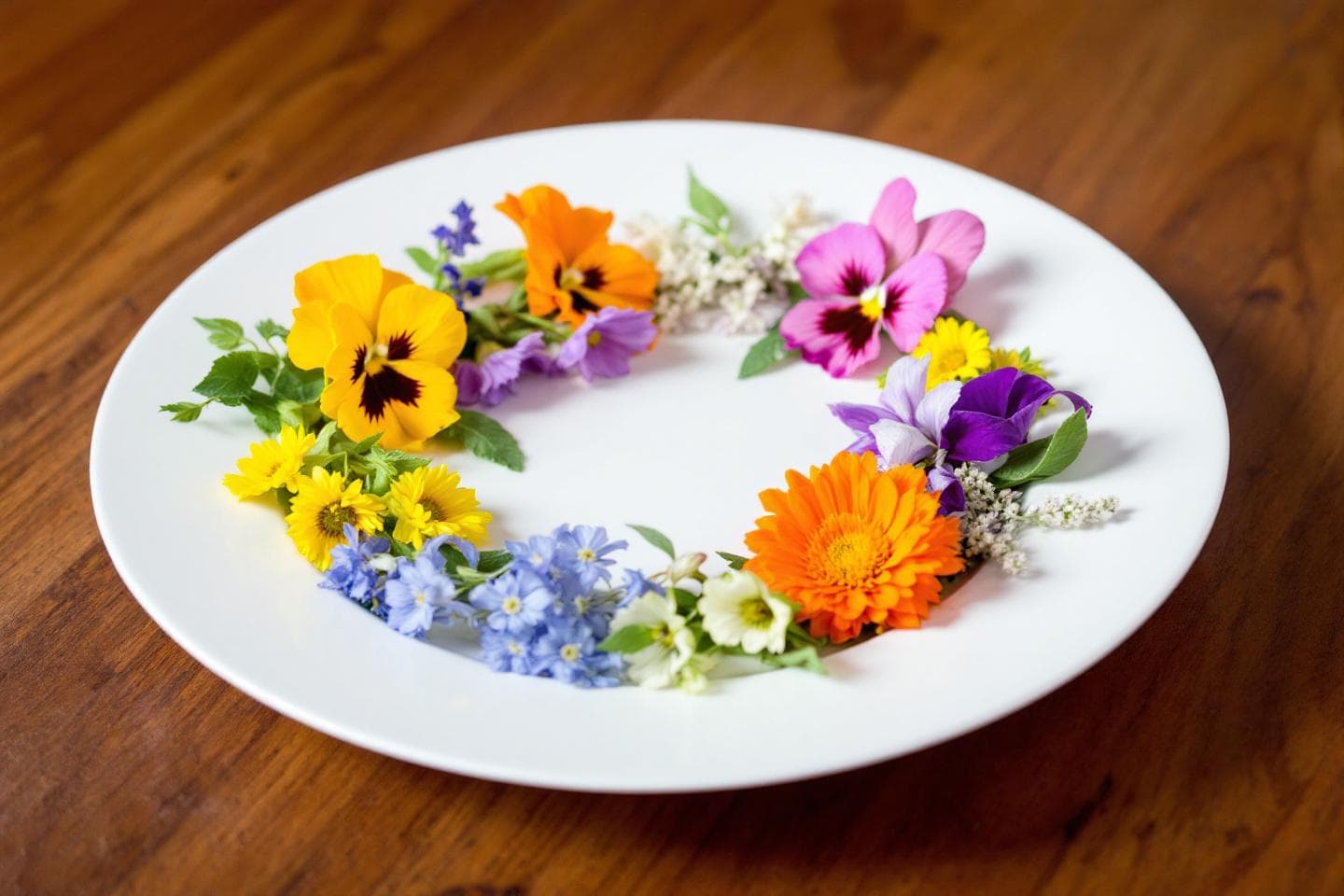
Flowers aren't just for looking at—many are delicious too! Edible flowers have been used in cooking for centuries, adding color, flavor, and elegance to dishes from salads to cocktails. Here's your complete guide to eating flowers safely and deliciously.
Safety First!
Only eat flowers you've positively identified as edible. Never eat flowers from florists or nurseries (often treated with pesticides), roadsides, or unknown sources. When in doubt, don't eat it.
Most Popular Edible Flowers
1. Nasturtiums
Peppery, watercress-like flavor. Entire plant is edible—flowers, leaves, and seeds.
Best for: Salads, sandwiches, pasta | Colors: Red, orange, yellow
2. Lavender
Floral, slightly sweet with hints of citrus. Use sparingly—it's potent!
Best for: Baked goods, honey, drinks | Culinary varieties: Munstead, Hidcote
3. Violets
Sweet, perfumed flavor. Beautiful candied for cake decorations.
Best for: Candying, salads, syrups | Colors: Purple, white, yellow
4. Roses
Flavor varies by variety. Generally sweet and perfumed. Remove bitter white base.
Best for: Desserts, jams, teas | Use: Petals only
5. Calendula (Pot Marigold)
Slightly tangy, peppery. Called "poor man's saffron" for its color.
Best for: Rice, soups, salads | Use: Petals only
6. Marigolds (Tagetes)
Citrusy, slightly bitter. Use petals sparingly. Different from calendula!
Best for: Rice, salads, eggs | Use: Petals only
7. Borage
Mild cucumber flavor. Star-shaped blue flowers are stunning in drinks.
Best for: Cocktails, salads, frozen in ice cubes
8. Hibiscus
Tart, cranberry-like. Used dried for tea (agua de jamaica).
Best for: Teas, cocktails, jams | Use: Dried calyxes
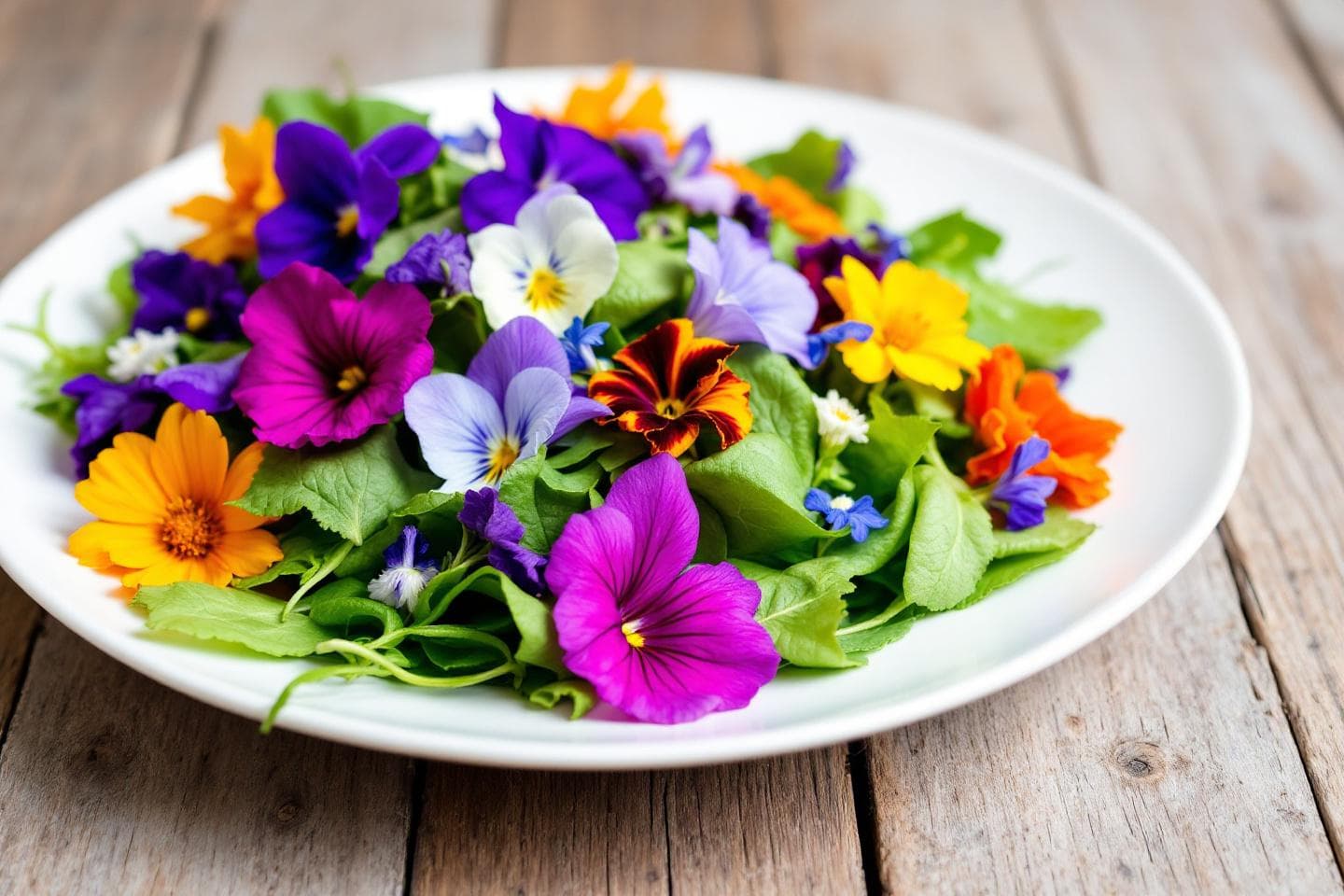
Herb Flowers
Most culinary herb flowers taste like milder versions of the herb itself and are completely edible.
9. Chive Blossoms
Mild onion flavor. Pull apart purple pom-poms for individual florets.
10. Basil Flowers
Subtle basil flavor. White or purple depending on variety.
11. Thyme Flowers
Delicate thyme flavor. Tiny pink or white blooms.
12. Rosemary Flowers
Mild rosemary taste. Pale blue, pretty on lamb dishes.
13. Sage Flowers
Mild sage flavor. Purple-blue spikes are quite showy.
14. Mint Flowers
Light minty flavor. White or lavender depending on variety.
More Edible Flowers to Try
15. Squash Blossoms
Mild, slightly sweet. Delicious stuffed and fried. Use male flowers (longer stems).
16. Sunflower Petals
Slightly bittersweet. Use petals only—remove from the center disk.
17. Pansies & Violas
Mild, slightly grassy. The most common edible flower garnish.
18. Dandelions
Slightly bitter, honey-like. Petals only—remove green parts.
19. Carnations/Dianthus
Sweet, clove-like. Remove bitter white base. Petals only.
20. Chamomile
Apple-like, sweet. Best known for tea. Avoid if allergic to ragweed.
21. Elderflower
Sweet, floral, honeyed. Used for cordials and champagne. Must be cooked.
22. Lilac
Floral, slightly citrus. Use sparingly. Soak to remove bitterness.
23. Apple Blossoms
Delicate, floral. Beautiful garnish for desserts and spring dishes.
24. Honeysuckle
Sweet nectar. Pull stamen through flower to extract sweetness.
25. Bee Balm
Oregano/mint flavor. Red flowers have the strongest taste.
Flowers to NEVER Eat
These common flowers are TOXIC and should never be eaten:
- - Lily of the Valley
- - Foxglove
- - Oleander
- - Azalea/Rhododendron
- - Daffodils
- - Hydrangea
- - Wisteria
- - Sweet Pea
- - Buttercups
- - Clematis
- - Morning Glory
- - Lantana
How to Use Edible Flowers
Harvesting Tips
- - Pick in morning after dew dries
- - Choose just-opened blooms
- - Remove pistils and stamens (often bitter)
- - Rinse gently and pat dry
- - Use immediately or store in damp paper towels
Culinary Uses
- - Toss fresh into salads
- - Float in cocktails and punches
- - Freeze in ice cubes
- - Candy for cake decorations
- - Infuse into syrups, vinegars, or oils
Frequently Asked Questions
Can I eat flowers from the supermarket?
No. Commercial flowers are treated with pesticides not approved for food. Only eat flowers specifically grown for culinary use or from your own organic garden.
Do edible flowers have nutritional value?
Some do! Nasturtiums are high in vitamin C, calendula has antioxidants, and hibiscus may lower blood pressure. But they're mostly used for flavor and presentation.
Where can I buy edible flowers?
Farmers markets, specialty grocers, and some supermarkets carry them. Growing your own is the best option—nasturtiums, violas, and calendula are very easy to grow.
Edible flowers transform ordinary dishes into works of art. Start with easy-to-grow varieties like nasturtiums and pansies, always source safely, and enjoy exploring this beautiful intersection of gardening and cooking.
Local Flower Team
Local Flower
The Local Flower team is dedicated to helping you discover beautiful blooms and connect with talented florists in your area.