
How to Create a Wildflower Meadow: Complete Guide
Replace your lawn with a low-maintenance wildflower meadow that supports pollinators, saves water, and looks naturally beautiful all season long.
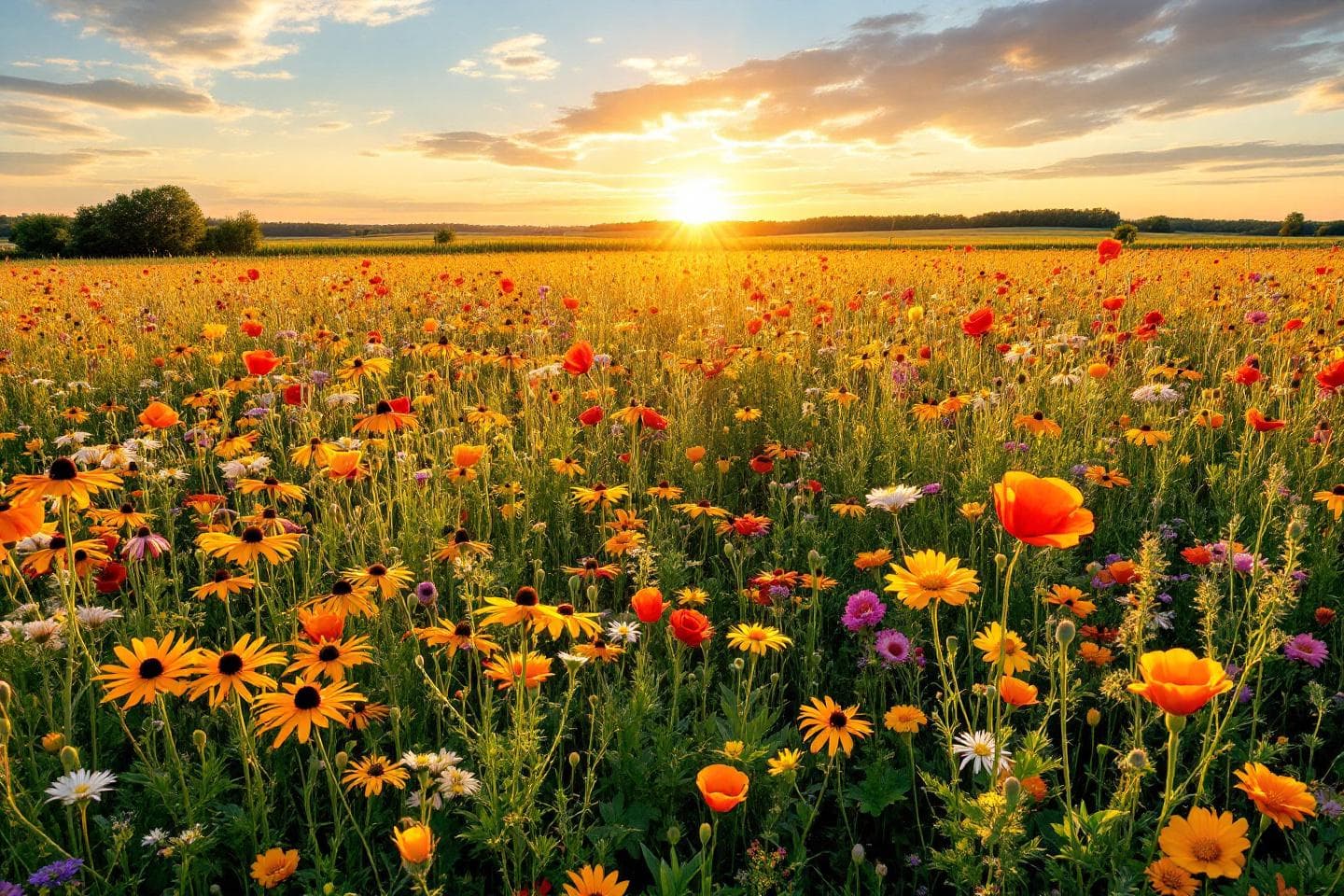
A wildflower meadow is more than a garden—it's a living ecosystem. Creating a wildflower meadow provides habitat for bees, butterflies, and birds while dramatically reducing lawn maintenance. Here's how to transform any space into a flowering paradise.
Benefits of a Wildflower Meadow
Low Maintenance
- - No weekly mowing
- - Minimal watering once established
- - No fertilizers needed
- - Self-seeding each year
Wildlife Support
- - Food for pollinators
- - Habitat for beneficial insects
- - Seeds for birds
- - Cover for small wildlife
Environmental
- - Reduces carbon footprint
- - Filters stormwater
- - Prevents soil erosion
- - Increases biodiversity
Site Selection & Preparation
Ideal Conditions
- Sun: Most wildflowers need 6+ hours
- Soil: Poor to average (rich soil = weeds)
- Drainage: Good to moderate
- Size: Any—even small patches work
What to Avoid
- - Areas with heavy weed pressure
- - Very fertile, amended soil
- - Deep shade
- - Constantly wet areas (unless choosing wet meadow species)
Key Insight
Wildflowers actually prefer poor soil! Rich, fertile soil encourages weeds and aggressive grasses that will outcompete your wildflowers. Don't add compost or fertilizer.
Step-by-Step Meadow Creation
- 1Remove existing vegetation
Kill grass and weeds. Options include solarization (covering with plastic for 6-8 weeks in summer), smothering with cardboard/mulch, or carefully using herbicide. This is the most critical step!
- 2Let the weed bank germinate
Water the bare soil and let weeds sprout. Remove them. Repeat 2-3 times to deplete the weed seed bank. This patience pays off!
- 3Prepare the seedbed
Rake to create a fine, crumbly surface. Don't till deeply—this brings up more weed seeds. The soil should be firm but not compacted.
- 4Choose the right seed mix
Buy regionally appropriate, native seed mixes. Look for mixes with 50-80% wildflowers and 20-50% native grasses for stability.
- 5Sow seeds at the right time
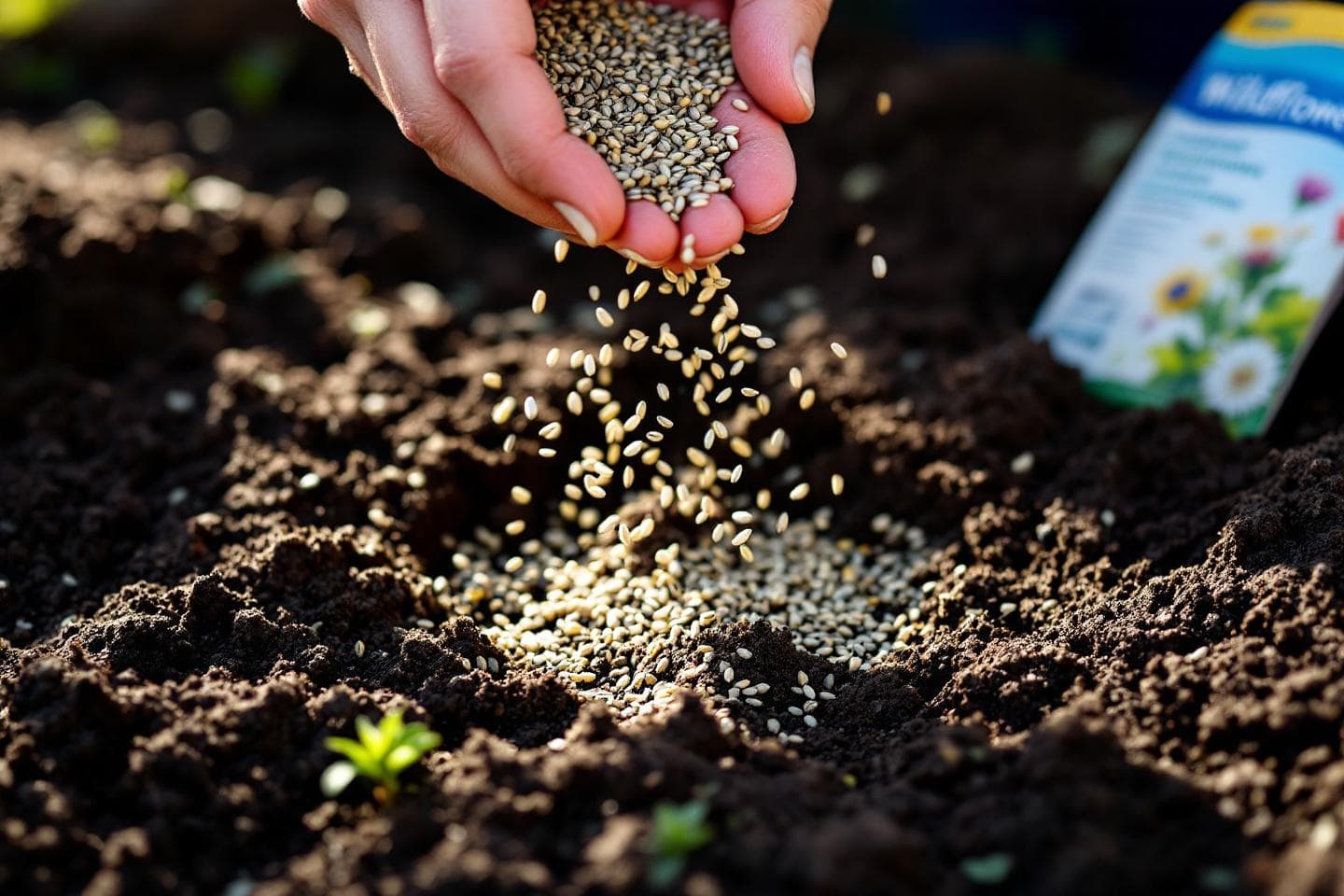
Fall (for cold stratification) or early spring. Mix tiny seeds with sand for even distribution. Broadcast by hand or use a spreader.
- 6Press seeds into soil
Walk over the area or use a lawn roller. Seeds need soil contact to germinate. Don't bury them—most need light.
- 7Water (first season only)
Keep moist until seedlings establish. After the first year, most meadows need no supplemental water.
Best Wildflowers by Region
Northeast & Midwest
- - Black-eyed Susan
- - Purple coneflower
- - Wild bergamot
- - Butterfly weed
- - New England aster
Southeast
- - Lanceleaf coreopsis
- - Blanket flower
- - Purple coneflower
- - Goldenrod
- - Indian blanket
Southwest & California
- - California poppy
- - Desert marigold
- - Penstemon
- - Lupine
- - Globe gilia
Pacific Northwest
- - Oregon sunshine
- - Farewell to spring
- - Common camas
- - Western yarrow
- - Douglas aster
Year 1: What to Expect
Be patient! The first year often looks weedy and disappointing. Here's what's really happening:
- - Perennial wildflowers are developing root systems underground
- - Annual "nurse" flowers may dominate while perennials establish
- - Some weeds are inevitable—don't panic
- - Mow high (6-8") mid-summer if weeds are very tall
Year 2 and beyond will be dramatically more beautiful as perennials mature and self-seeding takes over.
Ongoing Maintenance
Annual Mowing
Mow once in late fall or early spring after seeds drop and plants go dormant. Leave cuttings in place briefly, then rake away.
Weed Management
Hand-pull aggressive weeds before they seed. Spot-treat invasives. A healthy meadow will eventually out-compete most weeds.
Optional: Overseeding
Add more seeds in bare patches each fall. Include new species to increase diversity over time.
Leave it Messy (Sometimes)
Standing dead stems provide winter habitat for beneficial insects. Don't cut everything back in fall.
Frequently Asked Questions
Can I just scatter seeds on my lawn?
No. Existing grass will outcompete wildflower seeds every time. You must remove the lawn first. There are no shortcuts to this step.
Will my meadow have flowers all season?
Choose a mix designed for succession blooming. Good mixes include spring, summer, and fall bloomers for continuous color from May through October.
What about HOA rules?
Frame it as a "pollinator garden" or "native plant installation." Include a small mowed edge for a tidy border. Many HOAs are now embracing these low-impact landscapes.
A wildflower meadow is a gift that keeps giving—to yourself, to pollinators, and to the environment. While creating a wildflower meadow requires patience in the first year, the reward is a self-sustaining, ever-changing landscape that requires far less work than a traditional lawn.
Local Flower Team
Local Flower
The Local Flower team is dedicated to helping you discover beautiful blooms and connect with talented florists in your area.