
How to Press Flowers: The Complete Preservation Guide
Pressing flowers captures a moment in time. Learn multiple techniques - from traditional book pressing to quick microwave methods - for beautiful preserved blooms.
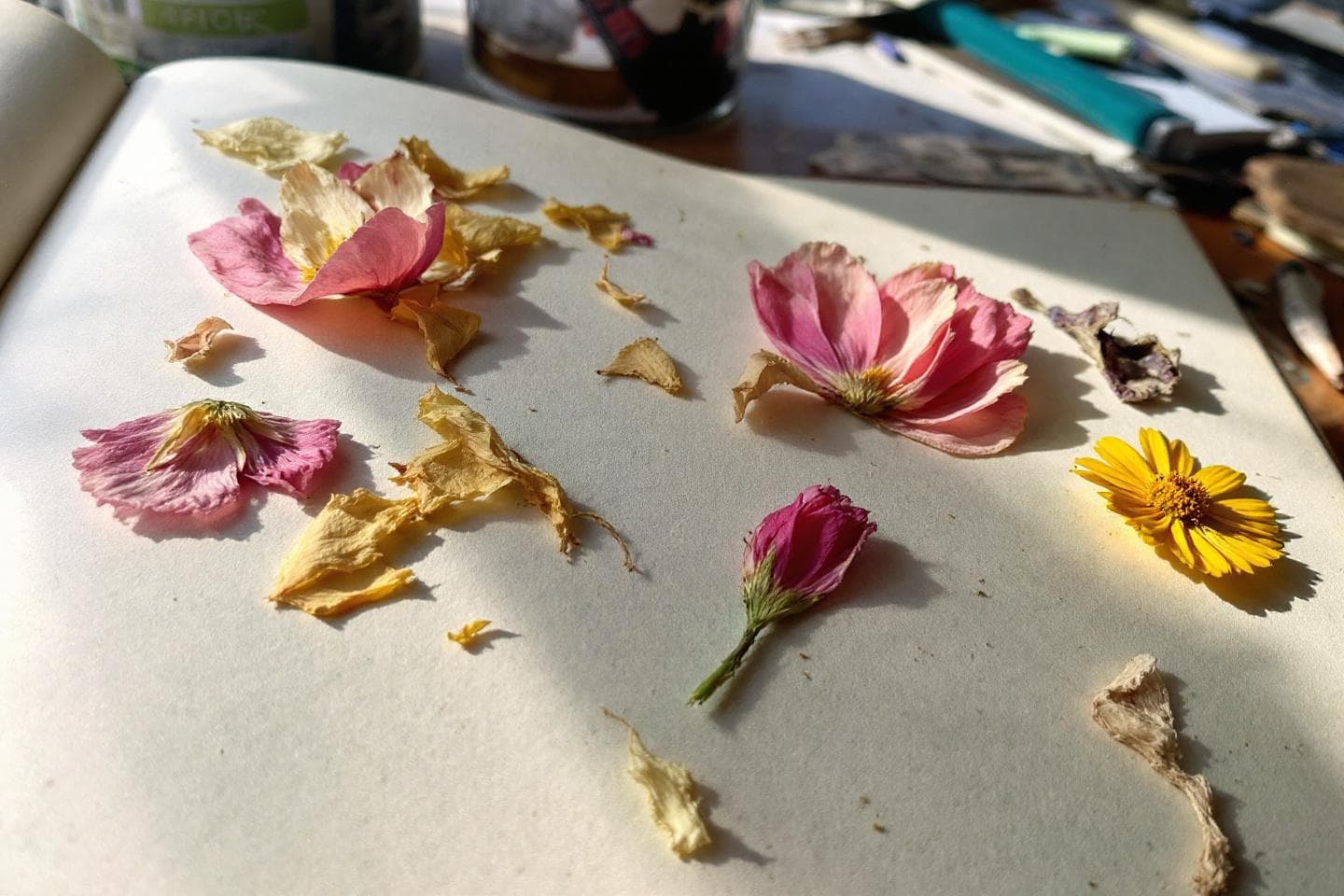
Whether you want to save blooms from a special occasion, create botanical art, or craft unique gifts, knowing how to press a flower opens up endless creative possibilities.
Best Flowers for Pressing
⚠ Require Care
- • Roses (press petals)
- • Hydrangeas (florets)
- • Mums (small varieties)
- • Marigolds
What Makes a Good Pressing Flower?
Thin petals, flat or single-layer structure, low moisture content, and vibrant colors (especially blues and purples) that often retain well during pressing.
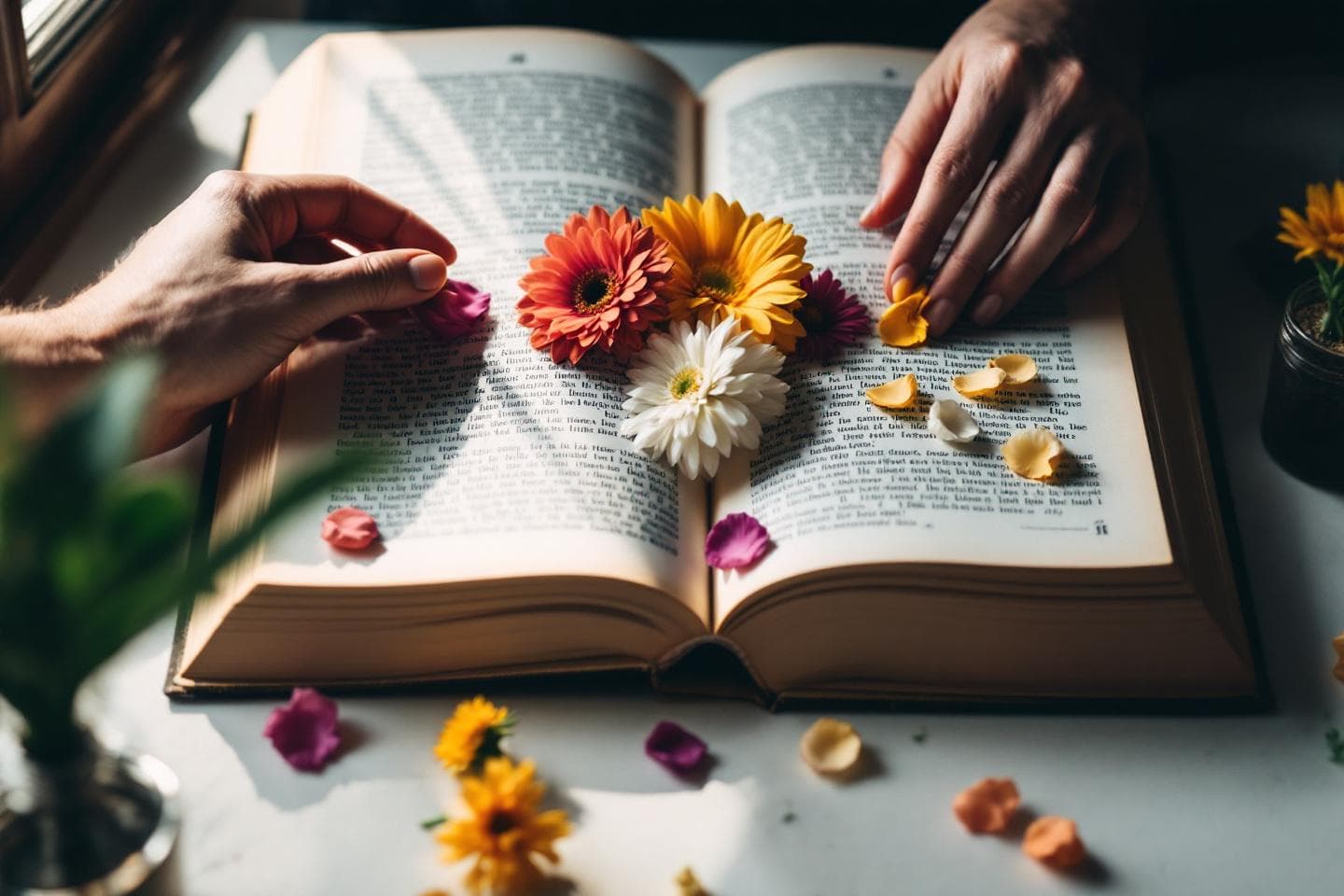
Method 1: Book Pressing (Traditional)
The classic method requires only a heavy book and patience.
Step-by-Step Instructions
- 1Choose your book - A heavy dictionary or textbook you don't mind staining
- 2Line pages with parchment paper on both sides
- 3Arrange flowers face down on the parchment, spaced apart
- 4Close the book and add weight on top (more books, bricks)
- 5Wait 2-4 weeks before checking - flowers should be completely dry
Tip: Change parchment after the first week if it feels damp. Keep the book in a dry location.
Method 2: Microwave Pressing (Fast)
When you need results quickly, the microwave works surprisingly well.
Quick Method Instructions
- 1. Layer materials: ceramic tile → parchment → flowers → parchment → ceramic tile
- 2. Secure with rubber bands around the tiles
- 3. Microwave on low for 30-60 seconds
- 4. Let cool completely (2-3 minutes)
- 5. Check flowers - they should feel papery
- 6. Repeat if needed in 30-second intervals
Caution: Start with less time - you can always add more. Don't overheat or flowers become brittle and brown.
Method 3: Iron Pressing
Iron Method Steps
- 1. Set iron to low-medium heat (no steam)
- 2. Layer: absorbent paper → parchment → flowers → parchment → absorbent paper
- 3. Press iron on top for 10-15 seconds
- 4. Lift and check progress
- 5. Repeat until flowers are dry
- 6. Let cool before handling
Don't slide the iron - lift and press. Best for flat, thin flowers.
Preserving Color
Colors That Press Well
- • Blues & purples - Usually retain beautifully
- • Pinks - Generally stable
- • Yellows - Often fade somewhat
- • Reds - May darken to burgundy
- • Whites - Can turn cream or brown
Tips for Color Preservation
- • Press immediately after picking
- • Keep away from light during pressing
- • Store pressed flowers away from sunlight
- • Consider silica gel for enhanced retention
- • Avoid humid environments
Using Pressed Flowers
🖼️ Framed Botanical Art
Arrange on cardstock, secure with clear glue, frame under glass, display away from direct sunlight.
📖 Bookmarks
Arrange small flowers on cardstock, cover with self-laminating sheets, trim edges neatly.
💍 Resin Jewelry
Place in silicone molds, pour clear epoxy resin, let cure. Finish as pendants or earrings.
💌 Greeting Cards
Glue pressed flowers to blank cards, add hand-written messages. Perfect for special occasions.
Troubleshooting Common Problems
Flowers Turned Brown
Cause: Too much moisture or took too long to dry. Prevention: Pick dry flowers, change parchment if damp.
Flowers Are Brittle and Breaking
Cause: Over-dried or overheated. Prevention: Check earlier, use less heat, handle carefully.
Colors Faded Badly
Cause: Light exposure during or after pressing. Prevention: Press and store away from light.
Frequently Asked Questions
How long does it take to press flowers?
Traditional book or press methods take 2-4 weeks. Microwave pressing takes 2-10 minutes including cooling time. The iron method takes 5-10 minutes. Thicker flowers always take longer.
Can you press flowers that have already dried?
Yes, but rehydrate them first by placing in a sealed bag with a damp paper towel for a few hours. They won't press as flat as fresh flowers but can still work for projects.
How long do pressed flowers last?
Properly stored pressed flowers can last decades. Keep them away from humidity and direct sunlight. Framed behind glass and displayed away from windows, they can remain beautiful for many years.
Flower pressing connects us to a centuries-old tradition of preserving natural beauty. Start with easy flowers like pansies or cosmos, master the book method, and work your way up to more complex techniques.
Source: Smithsonian Gardens - Expert preservation techniques from botanical specialists
Local Flower Team
Local Flower
The Local Flower team is dedicated to helping you discover beautiful blooms and connect with talented florists in your area.