
How to Transplant Flowers: Step-by-Step Guide
Moving flowers from pots to garden beds, or relocating established plants? Master the art of transplanting with techniques that minimize shock and maximize success.
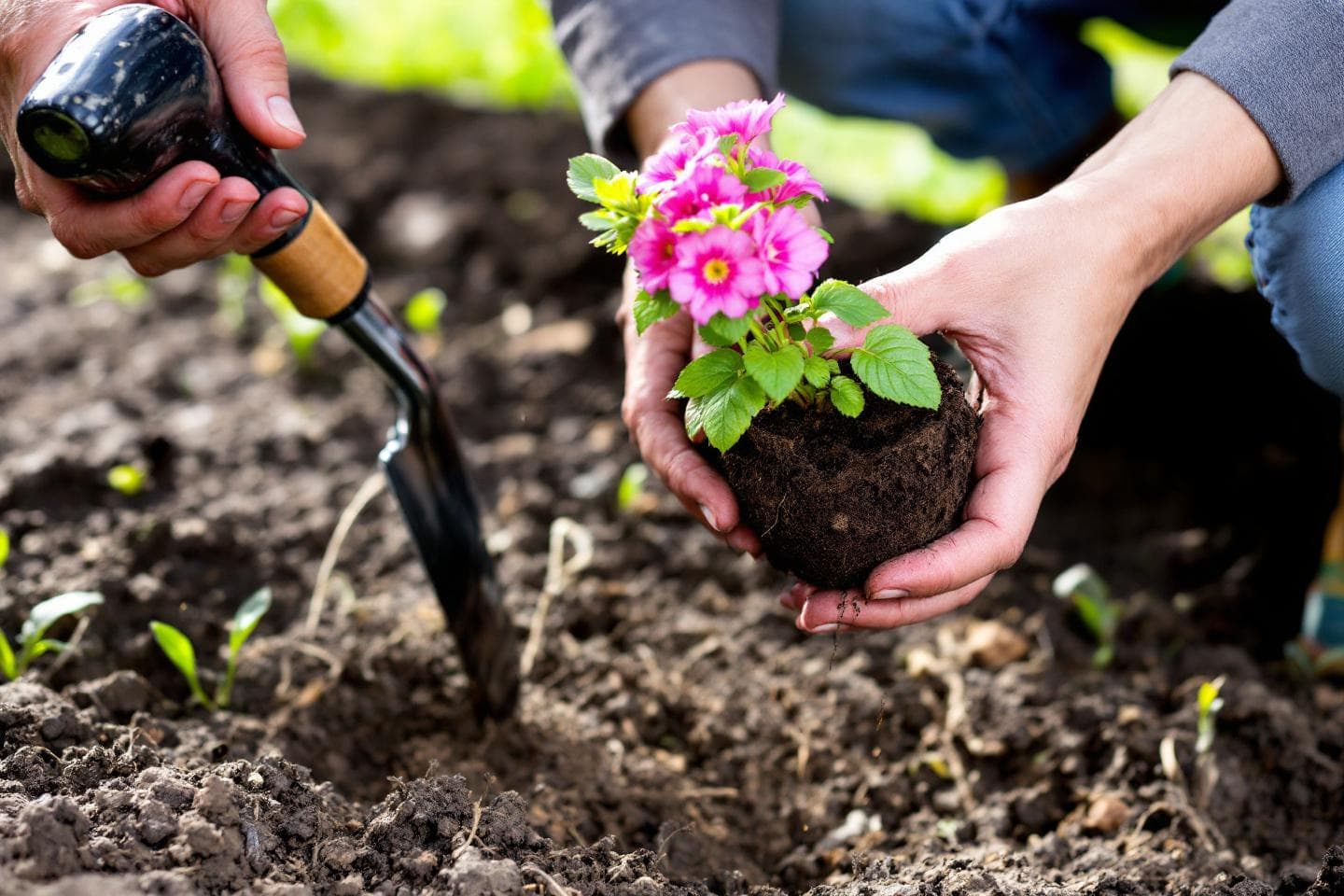
Transplanting is one of the most common gardening tasks, yet it's also where many gardeners lose plants. Done correctly, transplanting flowers causes minimal stress and gets plants established quickly in their new home.
When to Transplant Flowers
Best Times
- - Early morning or late evening (cooler temperatures)
- - Overcast days (less sun stress)
- - Spring for most perennials
- - Fall for establishing before winter
- - After last frost for tender annuals
Avoid Transplanting
- - During the heat of the day
- - In extreme heat waves
- - When plants are in full bloom
- - When soil is waterlogged or bone dry
- - Right before a freeze
What You'll Need
Essential Tools
- - Trowel or spade
- - Garden fork
- - Watering can or hose
- - Bucket (for moving plants)
- - Gloves
Helpful Additions
- - Compost or planting mix
- - Root stimulator/transplant fertilizer
- - Mulch
- - Shade cloth (for hot weather)
Step-by-Step Transplanting Process
Transplanting from Pots to Garden
- 1Water the plant thoroughly
Water 1-2 hours before transplanting. Moist soil holds together better and hydrated plants handle stress better.
- 2Prepare the planting hole
Dig a hole 2x wider than the root ball but only as deep. Loosen soil at the bottom and sides.
- 3Remove the plant from its pot
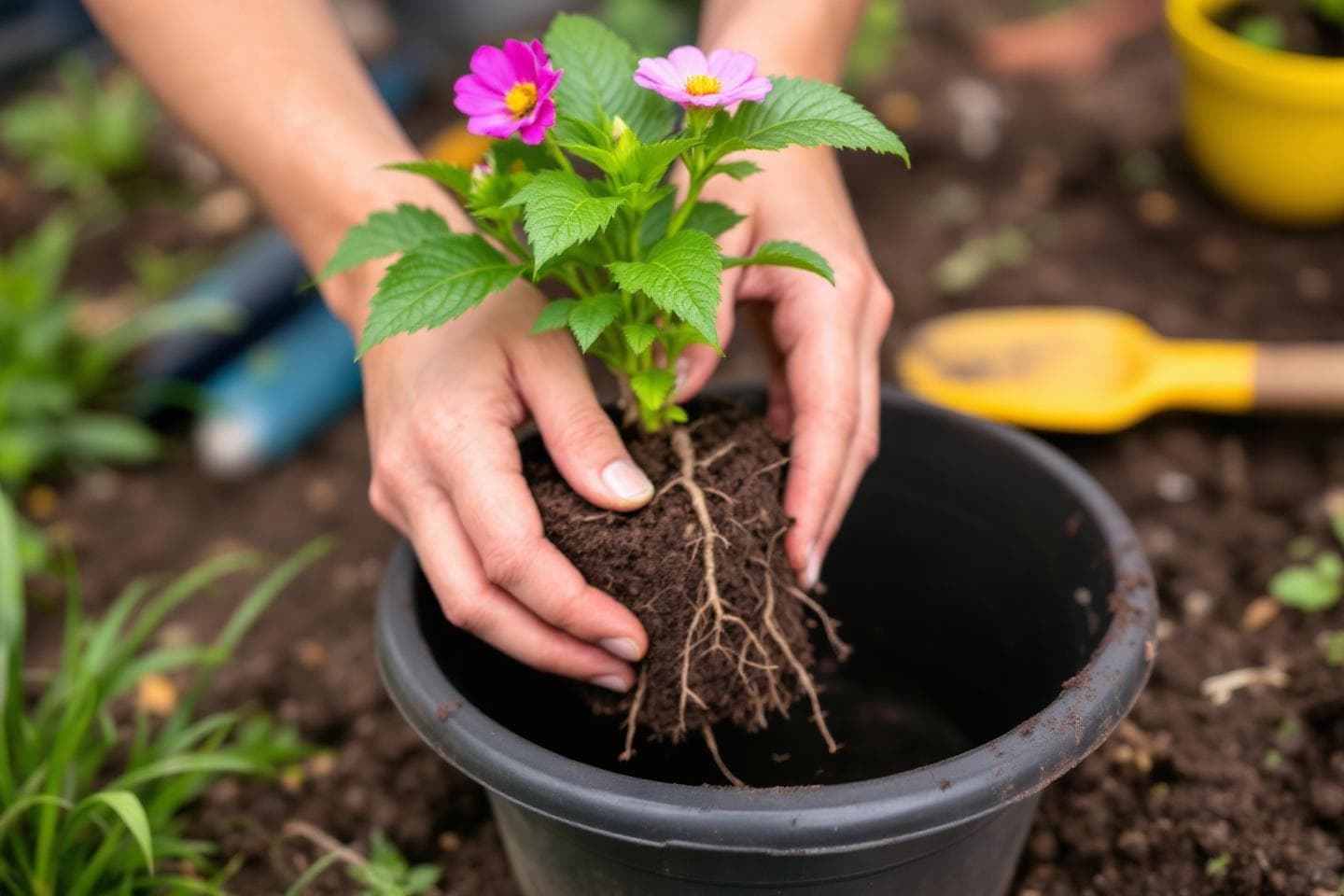
Turn pot upside down and gently squeeze. Never pull by the stem. Tap the bottom if needed.
- 4Loosen the roots
If roots are circling (root-bound), gently tease them apart. This encourages outward growth.
- 5Position at the right depth
Set the plant so the soil line is the same as it was in the pot. Never bury the stem deeper.
- 6Backfill and firm gently
Fill around roots with native soil (not just compost). Press gently to remove air pockets.
- 7Water deeply
Give a thorough soaking to settle soil around roots. Add more soil if it settles too much.
- 8Mulch around the plant
Apply 2-3 inches of mulch, keeping it away from the stem to prevent rot.
Moving Established Plants
Relocating plants that are already in the ground requires extra care to preserve as much root system as possible.
Root Pruning (For Large Plants)
For plants you're moving in fall, use a spade to cut a circle around the plant in spring. This severs roots and encourages new feeder roots closer to the plant, improving transplant success.
How Much Root Ball to Take
As a general rule, dig a root ball about 1 foot in diameter for every inch of stem diameter. For perennials, aim for at least 6-8 inches around the crown.
Moving Large Root Balls
Place heavy root balls on a tarp to drag rather than carrying. Work quickly to prevent roots from drying. Have the new hole ready before you dig up the plant.
Aftercare for Transplants
First Week
- - Water daily if weather is warm
- - Provide shade during hottest hours
- - Remove any flowers to redirect energy to roots
- - Watch for wilting and water immediately if seen
First Month
- - Water every 2-3 days, deeply
- - Don't fertilize yet (wait 4-6 weeks)
- - Continue monitoring for stress
- - Keep mulch maintained
Transplant Shock is Normal
Wilting and yellowing leaves in the first few days are common. Keep watering and give the plant time. Most plants recover within 1-2 weeks if properly cared for.
Common Transplanting Mistakes
Planting too deep
Burying stems leads to rot. Always match the original soil line or plant slightly higher to allow for settling.
Not watering enough
Transplants have damaged roots and can't access water as efficiently. Water more often than established plants.
Fertilizing too soon
Fertilizer can burn stressed roots. Wait until you see new growth (usually 4-6 weeks) before feeding.
Leaving air pockets
Air gaps around roots cause drying and root death. Firm soil gently and water thoroughly to eliminate pockets.
Frequently Asked Questions
Can I transplant flowers that are blooming?
It's possible but not ideal. Remove flowers to reduce stress and water extra carefully. Plants transplant best when not flowering.
How long until transplants are established?
Small plants typically establish in 2-4 weeks. Larger plants may take a full growing season. Don't expect maximum performance the first year.
Should I use transplant fertilizer?
Root stimulators with hormones can help. Avoid high-nitrogen fertilizers initially—they encourage leaf growth when energy should go to roots.
With the right timing, proper technique, and attentive aftercare, transplanting flowers becomes a reliable way to rearrange your garden, move plants from nursery pots, or share divisions with friends. The key is minimizing root disturbance and maintaining moisture during the critical establishment period.
Local Flower Team
Local Flower
The Local Flower team is dedicated to helping you discover beautiful blooms and connect with talented florists in your area.