+2
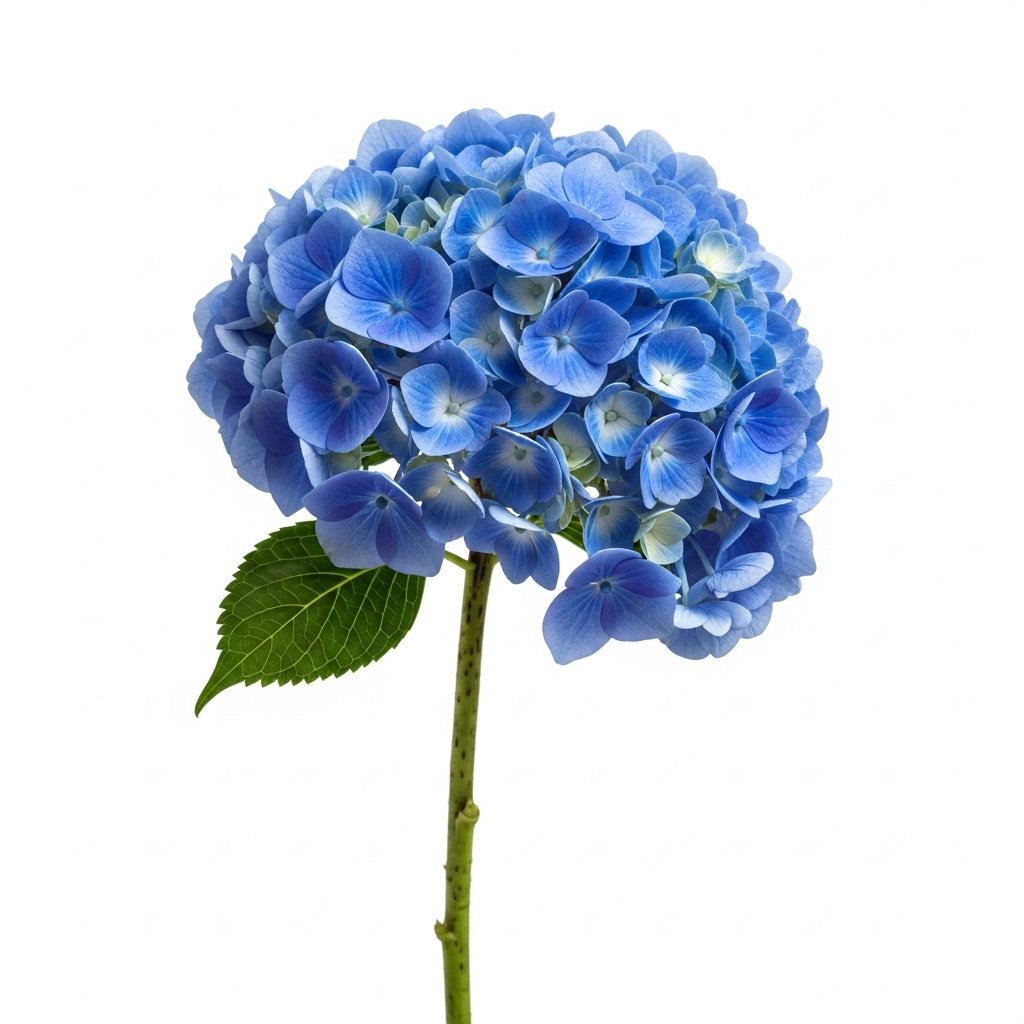
Hydrangea
Hydrangea macrophylla
Summer
+1
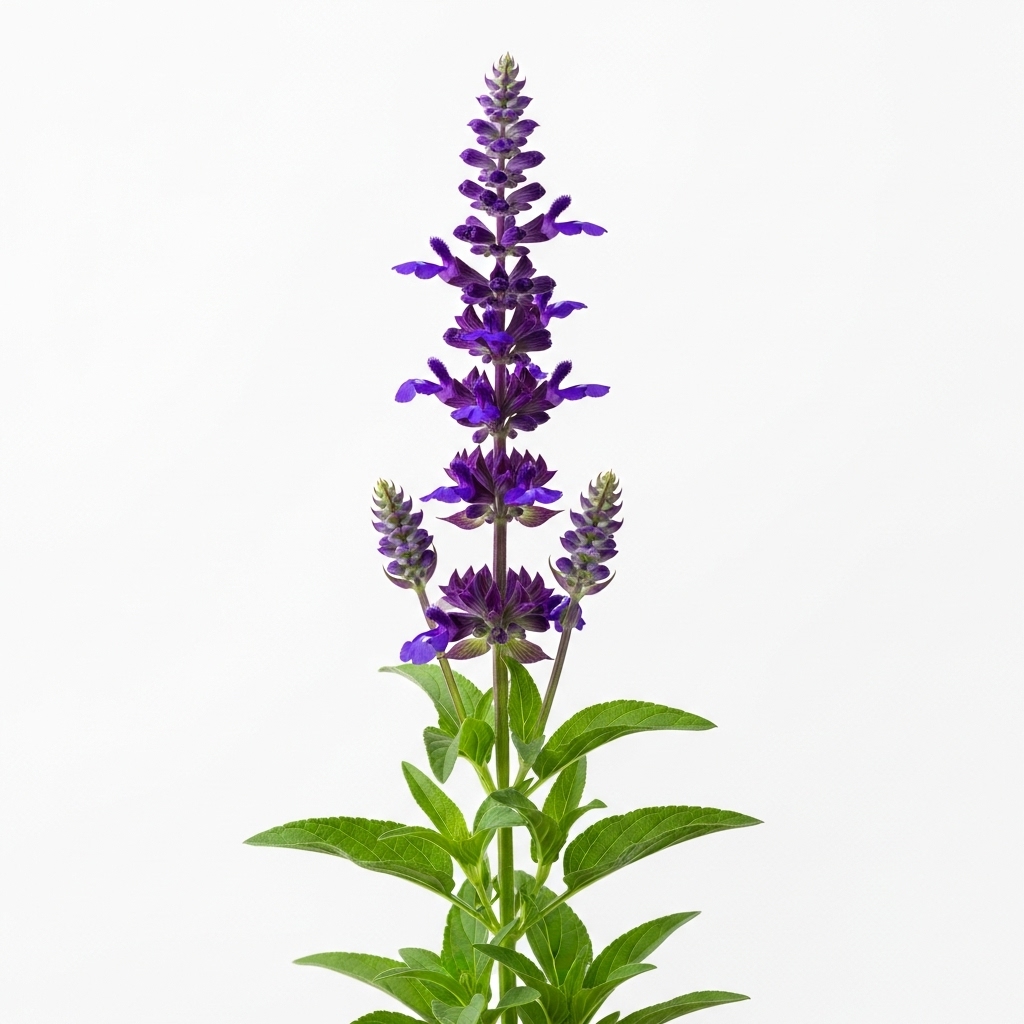
Aconitum carmichaelii
Fall-blooming monkshood with hooded flowers. Later blooming than summer varieties. Rich purple-blue. TOXIC. Adds height to arrangements. True blue color rare in fall.
Fall
Temperate
Find local florists carrying Aconitum
Where are you located?
Enter your location to see nearby florists
Stays fresh for 7 to 10 days
when properly cared for
Aconitum has no discernible fragrance
Extremely toxic - all parts contain aconitine. Can cause cardiac arrhythmia and death if ingested. Always wear gloves when handling.
Also known as Monkshood because the flower shape resembles a monks cowl
Was used as arrow poison by ancient warriors and hunters
In Greek mythology, it grew from the saliva of Cerberus, the three-headed dog
Despite its toxicity, it has been used medicinally in very small doses for centuries
Native to mountainous regions of the Northern Hemisphere, aconitum has been both feared and revered since ancient times. The Greeks named it after Aconae, a rocky hill where the plant grew. It was used as a poison in ancient Rome and medieval Europe.